
Colombia
Alerta por ola de homicidios en Cali, Barranquilla y Medellín: guerras criminales y ajuste de cuentas marcan el inicio de 2026

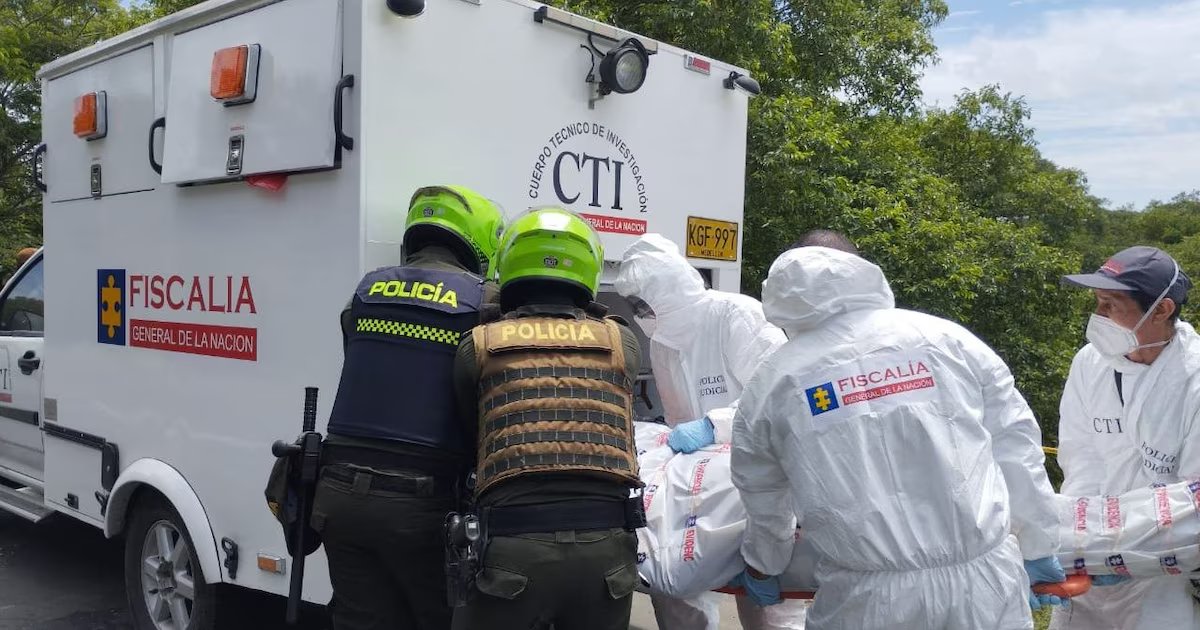
The start of 2026 has been marked by a troubling rise in homicides in Colombia’s major cities, particularly in Cali, Barranquilla, and Medellín. The murder rates, far from declining, signify the ongoing struggles of criminal wars, conflicts between illegal organizations, and settling scores tied to drug trafficking, extortion, and other illicit economies.
Authorities admit that while the contexts differ across cities, a common denominator is the reconfiguration of organized crime, which has shifted long-standing territorial disputes into urban centers, directly affecting citizen security.
You can now follow us on Facebook and on our WhatsApp Channel
The alarming picture is most evident in Cali, where over 90 people have been murdered in less than a month, raising concerns among investigators and local authorities. Although many of the cases remain under investigation, theories suggest conflicts between hitman offices and old drug trafficking structures that may be resurfacing or being “recycled” in 2026.
One of the most shocking incidents took place last weekend in a high-end restaurant in the El Peñón area, north of the city. Five hitmen entered the venue and killed a man who was dining with his family, initially reported as a suspected robbery.

However, Semana confirmed with case investigators, after analyzing security footage, that it was indeed a settling of scores between transnational drug trafficking offices. According to available information, the victim owed a significant amount of money to one of Cali’s so-called “invisible bosses,” who ordered his execution. The man, armed, refused to enter the assailants’ vehicle, resulting in a struggle and multiple gunshots.
Authorities have also established that Cali is currently the epicenter of at least five criminal wars stemming from municipalities like Buenaventura, Jamundí, Tuluá, Cartago, and northern Cauca.
“Most of the drug lords from these areas live in Cali or come to the city occasionally; here they have hitman offices, and disputes take place,” stated an investigative source from the mentioned outlet.
A similar situation is unfolding in Barranquilla and several municipalities in Atlántico, where criminal organizations are engaged in battles for control over extortion, drug trafficking, ‘gota a gota’, and land theft. In this region, groups such as Los Costeños, Los Pepes, the Clan del Golfo, Los Papalópez, and the faction led by alias Negrito Rubí operate.
In 2025, Barranquilla, Soledad, Malambo, Galapa, and Puerto Colombia recorded 725 homicides. In 2026, there have already been 79 murders, showing a 14% increase according to official figures.
One of the most shocking cases was the murder of a 12-year-old boy in the La Esmeralda neighborhood during an armed attack on a store that allegedly refused to pay extortion. The crime was captured on video, and the suspects are being sought by authorities.
Additionally, the homicide of 36-year-old Linda Eximirey Ordóñez Burbano in the Altos del Río neighborhood in southwestern Barranquilla is believed to be related to land disputes and ‘gota a gota’ loans.

While Medellín closed 2025 with 346 homicides, one of the lowest figures in the past 40 years according to the local government, citizen fear remains. On January 1, 2026, two individuals were murdered, marking the start of the annual count.
Since then, the city has recorded at least 27 homicides, concentrated mainly in neighborhoods like La Candelaria, Belén, San Javier, and Doce de Octubre. However, Manrique, Aranjuez, and Popular are particularly notable due to the historical presence of gangs such as La Terraza.
On January 23, two murders characterized by extreme violence shocked the city: two bodies were found with their heads wrapped in vinyl paper, one in the Berlín neighborhood (Aranjuez) and another in Popular. Investigators believe these cases could be indicative of a criminal vendetta.

The fear on the streets is tied not only to daily security but also to the potential impact of this violence on the electoral process and the urban peace tables promoted by the national government. Leaders of criminal structures, like alias Douglas from La Terraza, have indirect influence in these scenarios, raising questions about the effectiveness of negotiation strategies.


