
Colombia
Ejército y Policía destruyen laboratorio del ELN en Cúcuta: golpe de 4,8 millones de dólares

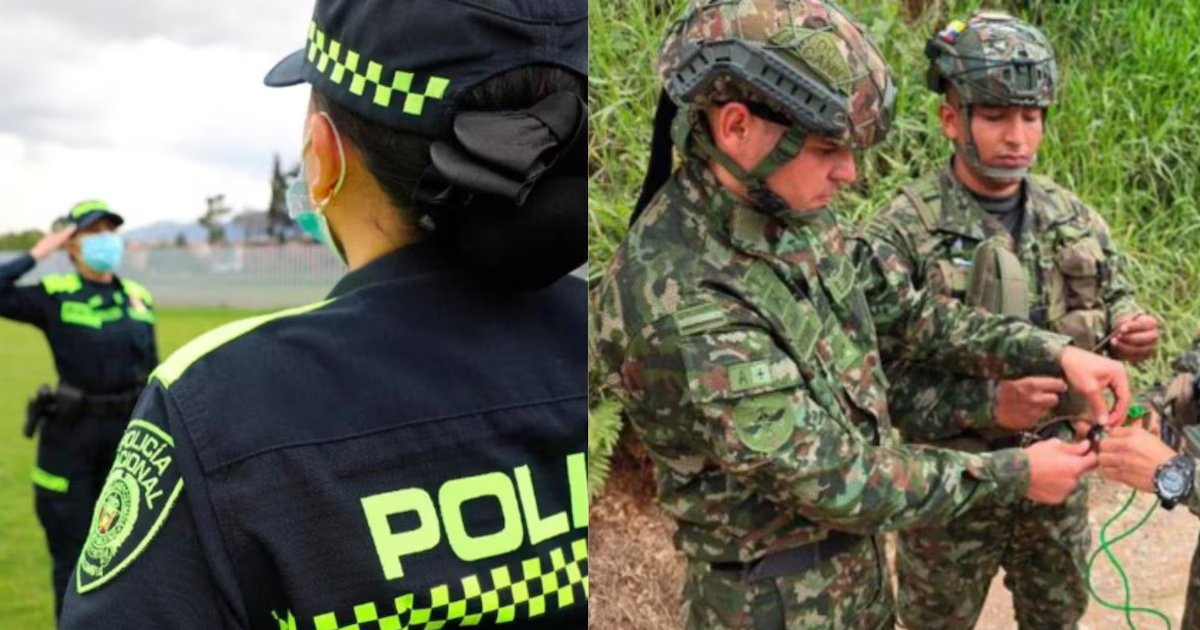
A joint operation by the National Army and the National Police of Colombia succeeded in locating and destroying a laboratory for processing cocaine hydrochloride in the Potro Viejo hamlet, Buena Esperanza district, in Cúcuta.
This operation, valued at $4.8 million, directly impacted the finances of the ELN, an organization that authorities attribute as the owner of the facility.
You can now follow us on Facebook and our WhatsApp Channel
According to the official report, members of the Medium Mechanized Cavalry Group No. 5 General Hermógenes Maza, part of the Thirtieth Brigade, along with the Anti-Narcotics Directorate, conducted the intervention in four structures used for drug production.
In the location, authorities discovered 503 kilograms of solid cocaine hydrochloride and 105 gallons of the substance in suspension. The seizure included 1,752 gallons of liquid chemical supplies, including acetone and hydrochloric acid, as well as 800 kilograms of solid supplies, such as caustic soda and activated carbon.

The Army reported: “The troops seized specialized equipment and machinery, such as distillation systems, hydraulic presses, microwave ovens, and other items used in the processing of the alkaloid.”
The discovery of this equipment highlighted the sophistication of the complex, which had the capacity to produce nearly a ton of cocaine hydrochloride each month, as per military intelligence estimates.
Investigations by the armed forces revealed that the infrastructure belonged to the urban front Reinaldo Ardila Gómez of the ELN.
The identified distribution routes connected the production to the Colombian Caribbean coast and Venezuela, suggesting a regional network for drug trafficking.
The operation also weakened the logistics of the armed group. “This intervention significantly impacted the illicit finances of this criminal entity, weakening its logistical and financial subsystems,” the institution’s statement emphasized.
The seizure of machinery, chemical substances, and the permanent closure of the facilities constitute a setback for the specified urban front.

The Army reiterated its commitment to combating drug trafficking and dismantling criminal economies in the national territory. The coordination between military and police forces was crucial for locating and destroying the laboratory, valued at several million dollars.
Authorities continue intelligence operations to identify possible offenders and prevent the re-emergence of illegal activities in the area.
A coordinated action between the Colombian Aerospace Force, the National Army, and the National Police, through the Anti-Narcotics Directorate, led to the destruction of a laboratory used for processing coca base in Cumaribo, Vichada.
The operation, carried out in the Puerto Oriente inspection, located an illegal center associated with Substructure-39 Arcesio Niño, part of the Residual Armed Organized Group.

The official statement from the Colombian Aerospace Force indicated that during the operation, more than 120 kilograms of coca leaves were seized and destroyed, along with a wooden structure, artisanal equipment, fertilizers, solid supplies, hoses, and tanks.
The report specified: “Plastic and metal barrels containing fuels, construction materials, and a grass cutter were destroyed.”
The primary objective of the operation was to prevent the reuse of tools and components in new illegal activities, aiming to disrupt the flow of resources of the armed structure implicated in drug trafficking in the region.
According to the FAC report, each destroyed laboratory represents an economic loss of approximately 200 million pesos monthly for the illegal groups involved in the drug trade.
This operation is part of a series of interventions conducted since January, during which authorities have successfully identified and eradicated numerous artisanal laboratories in the Cumaribo area and adjacent regions.
The Colombian Aerospace Force highlighted the importance of collaborative efforts with other law enforcement institutions to dismantle networks dedicated to the production and distribution of illicit drugs.



